Episode Transcript
[00:00:00] Speaker A: Foreign.
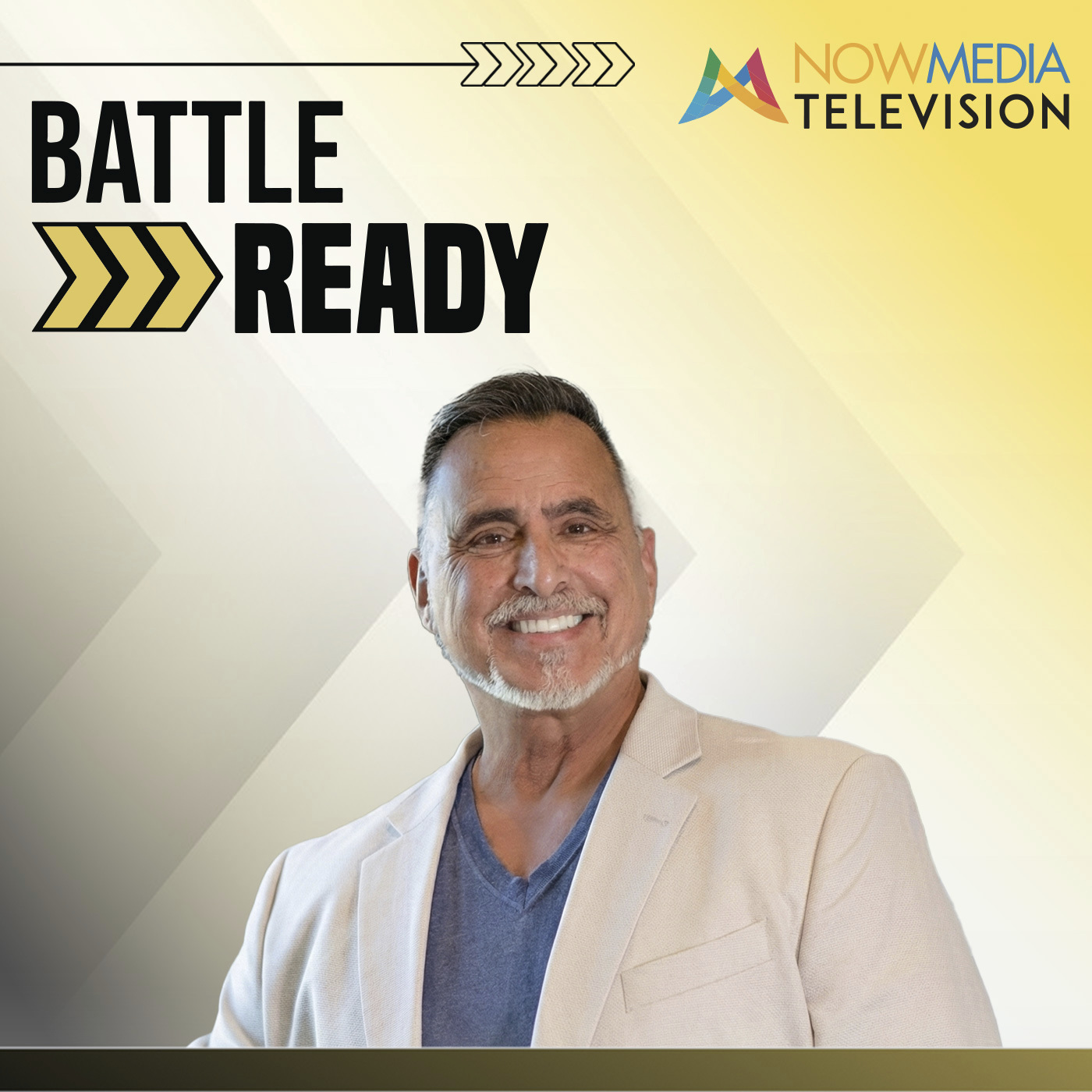
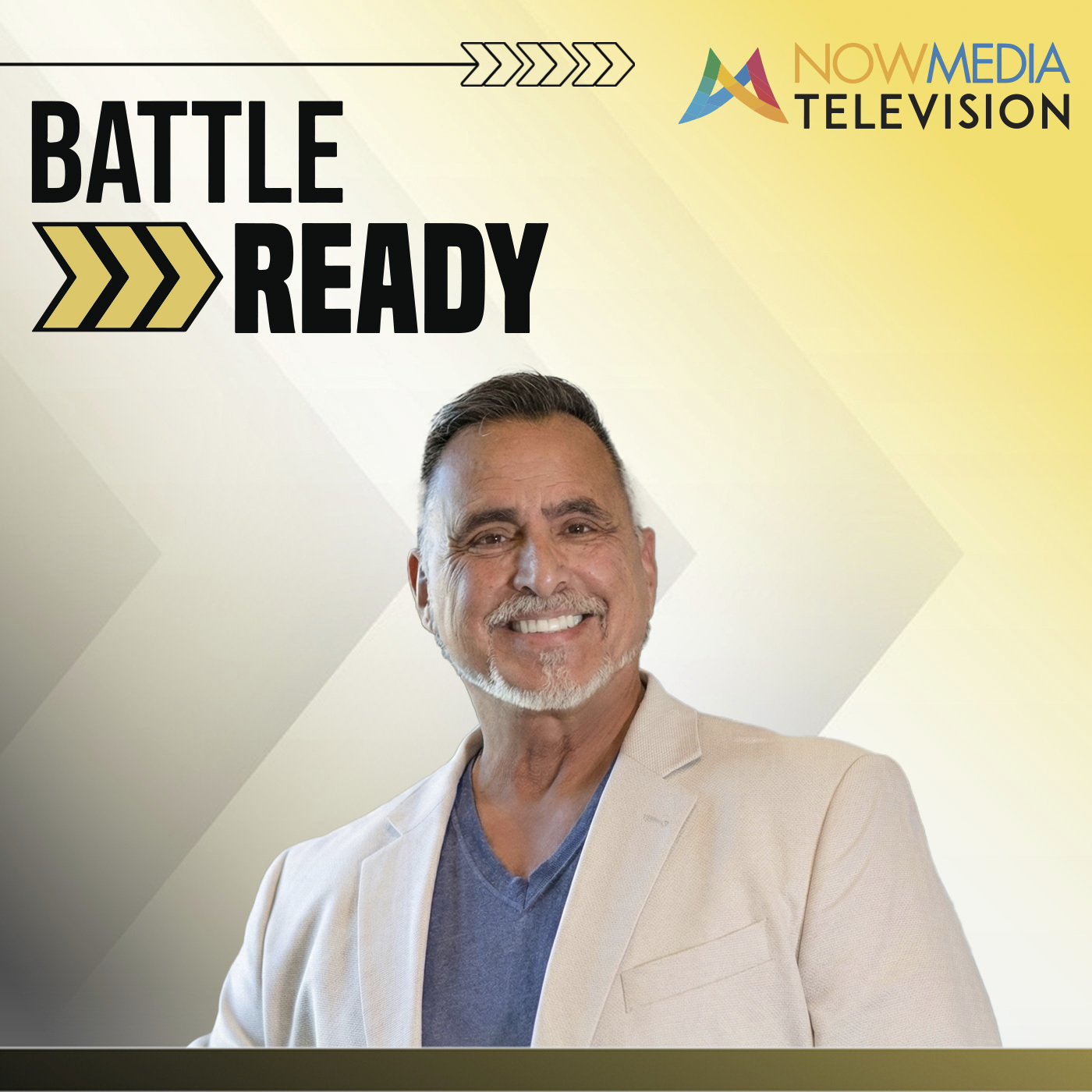
Welcome to Battle Ready. I'm your host, Ricky Chavez. In the theater, business and high level enterprise leaders often fail not because they lack the solid plan, but because they lack the raw discipline to execute under pressure. You know, true operational victory demands an unshakable mindset, clear strategic alignment and a complete refusal to tolerate complex complacency. That word always gets me. And today we are breaking down the exact blueprints required to manage massive scale and lead across cross functional teams through volatile market shifts. And joining me today is a combat veteran elite operator, Mark Parish. Mark, welcome to the show.
[00:00:50] Speaker B: Ricky, my man, thanks for having me. I'm excited to have this conversation today. It's to good to be fun, I can tell.
[00:00:55] Speaker A: No, it sure is. So Mark owns 22 McDonald restaurants dragging over $88 million a year and employing nearly 1,200 people. He's a U.S. army veteran who deployed a Radi Iraq and multiple engine commercially rated. He's a multiple engine commercially rated pilot. And Mark, tell me. All right, so where you're from? The North. So tell me a little bit about your story.
[00:01:21] Speaker B: So well today I, today I'm in Utah, right? And getting in the army wasn't something I expect to do or plan on doing. I'm not sure how I feel like that's probably most people going through the situation. So I lived in Utah at the time when I joined the army and culturally people know a lot about Utah, right? They're like, well it's those, those crazy Mormons. You've got that culture, you know, it's nothing like what you're seeing now, the Mormon lives of Mormon wives. But anyway that we all usually go somewhere on a mission, so. Meaning once you graduate from high school, usually you go somewhere in the world for two years and you go talk about Christ, Jesus Christ. You're teaching, preaching, you know, trying to get people to join the church. So I graduated high school at 17 and at the time the church didn't allow anybody, didn't allow you to go until you're 19. So I'm like, shoot, what am I going to do?
There was a couple things I knew back then. One, I, I knew that I loved our country and we, we were completely blessed to live where we live, to grow up the way that we did. I mean the, the rights and freedoms that we have. I knew that was something that was huge. And then two, I knew that in the military it was going to build me into something better than what I was that day. And so I'm like, I didn't Know anything about pay. I didn't know anything about benefits. I didn't know how hard it was going to be. But I'm like, shoot, the other two reasons are good enough. And I have nothing to do for, you know, almost two years. So let's join the military. So I went to basic training ait in Oklahoma became. I'm a 13 bravo. So I'm an artillery guy. Even though winning country, that's, that's not what I did. I was doing more like infantry and 13 foxtrot, some more of being out front forward line and then we'd call for artillery quite a bit and, and that kind of stuff. So very different than what I trained.
But that, that's it. That's kind of the, the beginning. But the military was not there for me. It was what can it be as the. To get me from the step I am today to the next step. And I feel like that's how life has been and how it is for all of us. But I decided to do something challenging instead of just something that, you know, just hang out and waste that time.
[00:03:20] Speaker A: So you know, the cool thing about this, you know, a lot of people think it, you know, the military is an employer of last resort, but sometimes the journey just takes you there because there's so many benefits to the enlistment and the opportunity to be a service man or woman serving your country, doing something that's really needed and wanted and also an opportunity to kind of figure what you want to do when you grow up, for lack of a better way to put it.
[00:03:47] Speaker B: Yeah, I had no idea what I wanted to do. I'd already worked at McDonald's since I was 14, but I had no idea that I was going to keep going back to McDonald's until, until I am where I am today and joining the military. I didn't know what lessons I was going to learn either. I knew I was going to get in shape. That was about it, right? I knew we were going to do push ups and sit ups and a lot of running, but there's things that happen that blow my mind. So my drill sergeant, Benjamin Bedell, he was a freaking stud, right? I, I respect and honor that man today. At the time though, he was so, I mean, he was so mean to me, like.
But it was one of those guys where it's like he was mean to the people where he saw potential and, and had high expectations out of. I ended up being the platoon guide towards the end. So that, that was my first time to be able to lead a group it was my first time to be able to influence is my first time to be able to have conflict, conflict resolution between people who were, you know, under me or under my, my care.
It was, it was the last time I said a swear word. So I changed who I was there at basic training because I was trying to figure out who I wanted to be. And, and my drill sergeant, the, the way he looked at me, he. And I hope he did this to everybody, but he saw so much potential in me that when I saw those expectations and I knew I didn't meet those expectations, it hurt. And so that was every day, me trying to be my best to try to make that man happy. It was a mind boggling experience.
[00:05:11] Speaker A: You know, I think the beautiful thing, I was an army recruiter for a long time and I used to tell people, you know, the military is no different than any other job except for you're going to wear a uniform all the time. You know, you can be scared if you want at basic training, but they might yell, scream. They're not really supposed to anymore. But back when I, you know, every day my dad was in the military, he retired. The army he was in was not the Army I was in. My son retires in like four months. The Army I was in is not the army he is in as like you are. But they would never put their hands on you. So it's like, oh, don't take it personal, man. Just, they're doing it for you.
[00:05:47] Speaker B: Yeah, they still could cause a whole lot of pain without putting their hands on you, though. I mean, there was a lot of pain daily, emotional, physical, you name it, it was all there.
And yeah, I've learned that about everything in life because even when we were in Iraq and we were, I was a, I was the sergeant leading out my team and going out and doing missions. Even the people that were on my team with me, we all experienced the same experiences differently. Like we would have something happen and I would tell my side of the story, they'd tell their side of the story, and I'd be like, holy cow. Like, it. It's different. Even though we were doing the same thing. So everybody has different experiences or different ways of looking at and understanding what happened. It's. Yeah, very cool.
[00:06:25] Speaker A: And, and so now, as an executive in, in the McDonald's organization, right, for, for our executives out there in the audience watching right now, how. How did your deployments and experience in Ramadi, Iraq directly Translate into managing 22 corporate restaurants and locations?
[00:06:41] Speaker B: Yeah, and I, I'm not sure like you, what it did in the beginning is it helped as a leader. That was probably the biggest step that I got from the military when my drill sergeant first saw me as a leader and gave me that opportunity to be platoon guide for, you know, four, five, six weeks, something like that. And him, him seeing that out of me and then other people seeing that out of me as like, hey, you're, you're somebody who can actually lead. You're somebody who we respect.
I didn't know that about myself and I, I hadn't been given that opportunity. And I feel bad for a lot of kids that don't get that opportunity to lead. We all need that opportunity because in real life, we're all leaders. We're all leading our own lives. And, and so therefore we need to see ourselves as leaders. It's one of the affirmations I have my kids say to themselves every day is I'm a leader. And I, every time I go and I have my, my upper management team, a group of about 50 people, I remind them that not only are they leaders in the restaurants because they all run multi million dollar businesses, right? Every, everyone in my McDonald's multi million and they, they run those. And then I also tell them that they are not just leaders in the business, they're leaders in their home. They're leaders of their own lives. And, and we all need to see that and understand that because if not, if you're not leading, you're following somebody else and you're, you're allowing yourself to take their path instead of your own path. And that's, that's not the way you want to live. We all need to leave lead ourselves.
[00:08:07] Speaker A: That is big. The biggest leadership challenge. I think that's one of the things I learned about the Army. It's not hard to lead other people. You know, you tell them what to do, follow up on what you told them, you know, inspect what you expect kind of thing. Right? Yeah. But the biggest leadership challenge is leading yourself, you know, because you have, you have alarm go off, especially out here, like where I'm, I'm in real estate now, so I work for myself. The alarm goes off at 6. That's a leadership challenge to know, hit the snooze or not, because I can stay in bed because there's nobody else to act or answer to. So I mean, leading a person, what would you say is the number one point you would give somebody that, that is in a struggle on leading themselves?
[00:08:50] Speaker B: Yeah. And. Well, a couple things, because leading yourself really comes down to Knowing where you want to go, and that means having some type of personal vision for who you want to be.
Initially, right? I didn't know who I wanted to be. I joined the military because I'm like, I need to fill this time.
But knowing who you want to be and what I mean by that, it doesn't mean most people say, who do you want to be? And they think that means career.
Who you want to be is, do you want to be somebody who has honesty and integrity? Do you want to see somebody who's physically fit? Do you want to know somebody who's religious? Like, the deep down inside of you? That's what you need to know. Because once you know that, now you can lead yourself to become that person. But until you know what you kind of want to be, you can't. You can't lead yourself anywhere. And so for people who say, well, I. I don't know who I want to be, I would say, well, who do you admire? So there's people out in the public. There might be people who run a podcast, like. Like you, Ricky. There might be people in the business world, in the religious world, and you say, oh, I admire that person. All right, well, then figure out. Write down a couple attributes or personality traits and say, what makes that person that person? And then how can I become that person for myself? I have a vision board. It's right here in my office. There's two pieces to it. So the top part is all quotes and pictures of people who I admire, like people that you look up to as kind of mentors, admiration, and a bunch of quotes. And those quotes are things that I want to become, right? They. They represent something that I want to become. That. That part inside of me wants to be. And then below it, I've got the, you know, the one with all the fun stuff. It's got Ferraris and Rolexes and airplanes, and it's got boats and, you know, all that crazy fun stuff that a lot of people think about, their vision board. But the. The who you have to be is the most important part, because you can't get any of this stuff until you've been the person that can attract the stuff. So that's the most important board. And. And so then if people, you know, if people are still struggling, well, who do I want to be? It's, well, think of quotes or things that have touched you and just start writing those down, cutting them out, putting them somewhere, and you start being intentional about those things. You're going to figure out who you want to Be. And then, then you, then it's easier to figure out how to get there.
[00:10:59] Speaker A: So what was your turning point when you knew that there was something that you really wanted to change in the leadership aspect of your life?
[00:11:13] Speaker B: Yeah, for me it's there, there was a time that I didn't know how you earned joy and happiness on a daily basis. Most of us think joy and happiness comes from something that you've done and it has to be earned every single day. And I know we're coming up against a break, so. But the, every day you have to do the right things in order to experience joy and happiness. And I didn't know that in the beginning. I figured once you had the nice car, once you had some money in the bank, once you had the joy and happiness was, was achieved. But no, every single day you have to get up, do something productive. You have to wake up with a purpose and fulfill that in order to be happy.
[00:11:49] Speaker A: You know, Mark, thanks a lot. We're going to be right back in a few minutes. Talk a little bit more about true leadership and authority and house forge in high price in a high pressure environment. We will be right back.
Hey, welcome back to Battle Ready. I'm Ricky Chavez and I'm here with multi unit franchise owner and combat veteran Mark Parish. Analyze how to build resilience work a resilient workforce culture to maximize corporate efficiency. So when we were talking earlier, Mark, welcome back to the show.
[00:12:23] Speaker B: Thank you.
[00:12:24] Speaker A: Thank you. So when we were talking earlier, we were talking about your transition from high school.
You know, you had that little break, you wasn't sure what you were going to do. You ended up joining the military. You were in the military, you were identified as a leader by your drill sergeant.
And, and people don't get drill sergeants.
They're.
I don't know anybody that's been in the military that doesn't remember their drill sergeant and the impact the drill sergeant made. What do you think about that?
[00:12:51] Speaker B: Yeah, I mean, I was with the same guy through basic training in ait Right. For, for us, it was the exact same thing. We went to bed one day, basic training, woke up the next morning ait and I definitely respect and admire that. Man, I don't think you, I mean, I know a lot of people that may not like them, right. They may have said, man, he was hard on me. But that's. Those are the ways you find out who you really are and you become a better person. So in that case, they're going to always look at their drill sergeant said he Pushed me to become more than I knew I could by myself. And that's. That. That's the goal. Right? That was the entire goal of the military, was for them to push us, to get us to become better versions of ourselves so that we could, you know, be in combat and we could take care of America's needs.
[00:13:36] Speaker A: I think one of the things that I always think is people don't realize their potential. And sometimes it takes people to make it a little uncomfortable for them and them to overcome it with such ease to the realize, wow, I can be more than I thought I was going to be. What do you thought about that? Well, I.
[00:13:57] Speaker B: So there's this book, and I, I might talk about books a lot, Comfort Crisis. And. And it talks about. And so this is one of the sayings I say with my family now, we have to be comfortable being uncomfortable. And in the beginning, what you hear teachers and people talk about, yeah, you got to get out of your comfort zone, but you don't really know what that's like in the very beginning, and you don't know why you should get out of your comfort zone. You know, what's meaningful enough to give you the reason to get out of your comfort zone. And the military makes you. You have no choice, right? Once you sign up, once you go through maps, once you're there, you. You have no choice. At that point, you are going to be uncomfortable. They're going to make sure of it. But then choosing to be uncomfortable thereafter in order to continue to grow and expand who you are and what you can become is. That's ultimately the goal. So I, you know, at the time, I didn't know who I could be or what I would be. I. I knew once I became a leader in the military, that was my first time having real leadership role where people had looked up to me and expected me to be the right person. And I fell into that position. Right, because when they expect something out of you, a lot of us fall into, well, this is what they expect. So I'm going to try and be that person. And that was the first time where I'm like, man, I've got to be the person that they want. They want me to be in. In this way.
[00:15:16] Speaker A: So let me ask you this. All right, so now you're in the military. Multiple deployments. You're coming on the end of your term.
How was the decision to get out of the military? What was the thought process? Was there some fear involved? Were you just ready? Tell me, tell me their thought. Tell me about that.
[00:15:35] Speaker B: Yeah, in the. In the military. I never saw in Ramadi, Iraq. 05 06. I was there for about 16 months straight, and there was only one day that I was really afraid. But.
And. And when I'm talking about afraid, I was worried that, you know, that day might not turn out the way that it was supposed to, but that that was only one day. And if you remember the movie American Sniper and you're talking about the. You know, I think it was Chris Kyle's fourth or fifth. He was in Ramadi, Iraq. We were there with the sales from.
So if you've read the books, Extreme Ownership, Jocko Willink, Leif Babin. So these are the guys in my place. At the same time I was spring 2006, but there was only one day where I was actually fearful for my life. But the entire time that I was there, like, I had prayed before, and I knew that I was going to be okay. So while I was in country, I knew that anything I volunteered to do that I was going to be okay. Ultimately, I was like, I may miss a limb. I may, you know, lose some more hearing or something like that, but I knew I was going to be okay. So. So fear was not a part of.
Of any of that. Obviously, there was discomfort, right? The first time you're going and you're talking to people on the side of the road, first time you clear a house, first time you find a roadside bomb, first time you get bombed. You know, all those types of things, those all added discomfort in the very. In the beginning. And then you get comfortable with all the stuff, even the stuff, you know, you get a little complacent, a little too comfortable sometimes. But. But that's where it's like, no, this is just a part of who you are. You do things that are uncomfortable, and they quickly become comfortable.
First time we found an ied, it was like it was our first day and we were pumped. We thought it was so much fun. And we're, you know, setting things off and corning off the road, waiting for EOD to come. They come, they blow it up. And we thought it was, like, super fun. But in two weeks we found maybe 10 more. And it got boring and it got lame. And we're like, man, we gotta wait for these guys to come take care of this thing. You know, it's. It's amazing how it becomes. But you have to be willing to take that first step of discomfort in order for things to become comfortable.
[00:17:34] Speaker A: The other piece is you can't become
[00:17:35] Speaker B: complacent right yeah, we had a tower that we drove by every day on the way out that said complacency kills. And it was our last reminder of all it takes. Because there in, in every, everything we do, we're always in a battle, right? I think there's a battle between good and evil. I think there's a battle between us and ourselves of trying to become the better version of ourselves.
And there we were in a battle every day. We had people who wanted to kill us every day and, and cause us harm. And for, for me, most of the days I'm just going out and hanging out with my friends, right? We're just, we leave the wire every day. We'd go do a couple supply routes and we'd go different places and, and you know, we spend the night out in the field every night. And then.
So for me, we're just hanging out. It's like we see something we want to shoot, we shoot it. We, you know, we want to play with some. That's what we were doing. We were just hanging out. But it was easy to, at moments when you're supposed to be locked in and remembering your purpose, it's easy to, to get away from those things. And so that's. Luckily nothing bad happened to me or my teams, but it's easy to get complacent. And we all do that every single day. You talk quite a bit about recreating yourself.
When I think of recreation myself, I think about it on a 90 day time frame. Every 90 days I tried to recreate myself, meaning I want to do one or two things differently than I'm doing today. And sometimes it means no longer doing something. It means saying no to something that I've always said yes to. Or sometimes it means saying yes to something. And that has gotten me through, through probably most things in life because you're becoming a new person every 90 days. And sometimes it's simple. It's like a friend invited me to play hockey and I, I don't even, didn't even know how to ice skate really. And so I'm like, sure, I'll play hockey. Because at the time I had a personal fitness goal. And I'm like, well, that hockey is going to help. And it's a, it's crazy uncomfortable. Let's go do it. And then there's other times it's like, all right, I want to learn. One of my, one of my deep values is that I should be continually learning and growing. So it's like, all right, I'm going to become a Pilot. And so I became a personal pilot. And now, so every 90 days, it's just, who else can I become by saying no to something new or by saying yes to something new?
And that's really how you keep yourself being comfortable, being uncomfortable. Because I keep creating discomfort in my life all the time.
About 15 months ago, I never would have thought that I'd be on a podcast with you, Ricky. I never thought I would be doing this type of stuff, but it was one of those moments. Once again, it's like, all right, who am I going to be now? How can I recreate myself? And bam, here I am.
[00:20:09] Speaker A: So let's go back to, you know, transition from the military.
How did you end up in McDonald's? So tell me about that.
[00:20:18] Speaker B: Yeah, so I started McDonald's when I was 14 years old. And so I've been in and out of McDonald's so many times. I, you know, I've worked on farms, and I've done. Worked at gas station grocery stores, all those types of things. And every time. And then, you know, I went and went to basic training. I t came home, and McDonald's was always there. So every time I left and then I came back, McDonald's was there. I spent two years in Hisifi, Brazil, doing a Christian mission down there. And so, once again, it's like I left, went and did something, came back, and I had been successful with McDonald's. And so it's like, I'm not sure what I'm gonna do next, but while I'm waiting or trying to figure out what I'm gonna do next, I'm gonna go back to what I know. And every time, I was able to get back to the same position I was at or even advance and be promoted and do something that was a little more challenging and where I had, you know, more responsibility.
And so every time I kept doing that, it kept working. It was probably around the time after coming home from Iraq, and I'm like, all right, this McDonald's thing has been working.
I've gone and come back probably four or five times now. I'm just going to see what I can do with it, because I had thought about being an attorney and, you know, and all the school that went with that. And I'm like, no, I'm just gonna. I'm gonna keep doing this McDonald's thing for a little bit.
[00:21:29] Speaker A: So real fast, before we move on, how can somebody continue conversation with you or reach out to you? How can they get to know you?
[00:21:37] Speaker B: Yeah, no, that's great. Question. So there, there's a couple ways. I've got a, you know, I've got a website, the mark parish.com. i sent out a newsletter if people want direct questions for me. There's this app called minect M I N N E C T. And really what it means is it's you want to, you want to text, you want a phone call, you want a, a voice response, any questions that you have. I do quite a bit of consulting, helping a lot of people, especially understanding the franchise world system processes, anything around business and customer service.
That's by far the easiest way. I also wrote a book. The book is about everything that we're kind of talking about today. It's how do you lead yourself to be the right person to then lead your business so that you can get the freedom that you want to, to then lead your family the way you want to. And so it's, how do you, what lessons do you learn from business that you can tie into your family, what you can tie into what you do in the community, to everything else you think about in business? We all have policies and procedures and we all have mission statements and vision statements and we have, you know, all those kind of things. Why don't we have that same type of organization and criteria and how we run and preside over our families? And so really I take those things and I say, okay, well what does that look like? You, most of us know what it looks like on the business side. Well, what does that look like in the family? How do you, and then how do you implement that with your family and how does it make it work? Because in business world, we're always talking about culture. Culture is just who you are and what you do automatically because it's just, it's just what we do. Right?
And then, but how do you then create the right culture you want to create at home? Like, how do you want people to treat each other? What are the, you know, what are the consequences when things go well and you know, all that kind of stuff and that's, that's what it really dives into is how do we lead ourselves so that we can lead our business and lead our families the right way and the best way.
[00:23:25] Speaker A: So your workplace culture dictates your long term commercial value. So stay right back. We're gonna be right back with Mark in a few minutes and we're gonna go out here to another break.
Hey, welcome back. This is Rick Chavez with Battle Ready. You're watching Battle Ready and I'm joined today by corporate executive Executive shoot. I can't say this execution strategy strategist, man. English is a second language.
You like that? So I did it so fast that sometimes it goes like that. I'm with here with Mark Parish. We're talking about some of the strategies that he's implemented as an executive at McDonald's and how he transitioned from the military.
Now he's in corporate America. So we talked about him getting out, we talked about him going back to school, but he went back to school later. Is that correct, Mark?
[00:24:21] Speaker B: Yeah, that's, that's correct. So I, after coming home from Ramadi, I, that was the point where it's like, all right, I'm no longer going to focus on school as my next thing. And so I started building that career inside of the McDonald's walls where I'd already found success. I later, after I became a franchisee, so I'm already, you know, owning, I think it was one McDonald's at the time that I went and got my bachelor's degree. So I'm actually running my own business with my own team. And then I'm like, wow, I, I, I believe I need to keep learning. So I went, got my bachelor's degree, and then a few years later, I probably had eight to 10 McDonald's. I decided to go get my MBA. And once again, it was just online. It's like, all right, you're advancing in your career, but how do you continue to advance yourself so that you can continue to improve in your career and everywhere else? So then I went and got my mba.
[00:25:08] Speaker A: So, you know, it's, it's, do you think you needed an mba?
[00:25:13] Speaker B: Oh, no. Yeah. And, and my MBA was, I did it, I did it through what's called Western Governor's University. So this is competency based online school. And I got it in six weeks. And so you say you did an 18 month or 18 to 24 month program in six weeks because it's competency based. McDonald's had taught me everything that I needed to know. And so the mba, all I had to do is prove it in order to get my certificate. So McDonald's, through my career, through what I was doing, I already had been given all the tools and the knowledge that I needed. So no, I didn't need this certificate. But at the time it's like, all right, certificates matter to some people, right? They, they want some type of proof of who you are. And so I'm like, all right, I'll just, I'll just start. I didn't plan on doing it in six weeks. Had I tried to do it fast, I probably could have done it in four weeks. But it just ended up going that I was doing almost 1.2 classes per week and then I was done with my mba. But, but anyway, education still continues. Now it's, now it's read books, it's watch podcasts, it's. There's always, there's always. I go to conferences. Every year I take my kids with me to conferences. So the education part still continues. I'm just not chasing any certificates anymore,
[00:26:21] Speaker A: you know, so let's, let's go back here. So remember I told, I said, I mentioned earlier in one of the earlier versions that, you know, military is the employer of last resort in many people's minds. Now let's talk about McDonald's.
[00:26:33] Speaker B: All right, so I would say McDonald's is probably the employment of last resort, maybe even beyond the military. Right in.
[00:26:40] Speaker A: So no, I think the point I'm going to make is this, right?
I remember when I met my current wife, I've been married 30 years now, and I remember when I met her mother and her mother basically like, like anybody can join the army. I'm like, yeah, no, not really. No. You know, so I've, you know, so I have quite a few friends here in the Houston area that have multiple McDonald's. Amazingly successful, so smart, so engaged. And now stereotypically, you remember going through the drive thru and the reality is you were that drive thru guy and you're a 14, 15 year old age, is that correct?
[00:27:17] Speaker B: Yeah, I was a drive thru guy. So I worked up every single position. So in the beginning you're just, you're just the person, right? Doing fries, taking orders, all that kind of stuff, cleaning tables. And then I move through every position so we go crew to crew trainer. And then I went to a manager, a shift manager, and then I went to a department manager and assistant, then a general manager and so on. And then I became a regional manager and then I. All those steps I had to take.
And, and so those who aren't in the military, like you get, you get forced to learn and grow. When you're in the military, you go to McDonald's, you're going to get forced and learn to grow too, if you decide to stay. Right. The military is a little harder to get out of. But like, that's incorrect. Yeah, the, the thing that I love about McDonald's is you're going to learn and grow. And 98 of people, they see McDonald's as a transitionary step, right? They're going to go to McDonald's, they're going to do it for a certain time frame, get. And then they're going to go somewhere else. Our goal is to teach people or help them leave better than they came. Right. We're going to teach them better about customer service. They're going to learn some stuff about food safety. They're going to learn how to keep things clean. They're going to learn how to do conflict resolution with teammates and with. With customers. They're going to learn, you know, hospitality, all this stuff. That's the goal is for us to help these people learn and grow. Kind of like as if, you know, he came through basic training. And that's my favorite part about the job is because we have people who come in from all different walks of life, all different experiences, and I know that we add value to their lives. Even if they just come and they stay for two, three weeks, they've added. I've added value to their life. They've learned something. They've grown in a way. They've had some type of an experience where now they're a different, better person.
[00:28:53] Speaker A: So what I'm going to enjoy about this conversation is this. You know, you have the guys that join the military for whatever reason, employer, last resort, whatever, and then retired 20 years later as first sergeants, command sergeants, majors. Educated, motivated, just driven.
Families don't recognize them, but, you know, as I continue to meet so many successful people in the McDonald's organization, I think, wow, people out there don't realize you can stick with it and actually have an unbelievable career.
[00:29:29] Speaker B: Yeah. When I started in the McDonald's system, 80% of the franchisees, we call them owner operators, they. They started just the same way that I'd started. They worked their way up in the business. Today, they're allowing a lot of the people that are work on the corporate side to now become owner operators as well. So now it's like 50, 50. One of my goals in life is. And the legacy that I want to leave is I want to have people who work underneath me that become their own franchisees because I want them to be able to build and have the same freedoms that I was able to get through the same way. And so really, it's like McDonald's is one of the best brands in the world. I mean, it's the biggest restaurant brand, most successful restaurant brand. But that's not by accident. It's because they created proper systems. They did proper training. They, you know, it's. We don't a Lot of people say, you know, it's not the best tasting food. That's fine.
[00:30:19] Speaker A: But.
[00:30:19] Speaker B: But overall, you look at what McDonald's has been able to do, now, that's something that we can all learn from, like that what, how they've been able to scale, how they've been able to train, how they've been able to get past all the challenges that they've had. And why can't we all learn from the way McDonald's has done it? Because obviously, it's working successfully. We're like 45,000 restaurants, almost to 50,000 restaurants countrywide or worldwide. We serve over 72 million customers per day. Myself, I have over 40,000 people that come through my restaurants every single day. Today, 40,000 people are going to come through and experience business and customer service in one of my restaurants.
There's so much we can learn and grow from from this brand is McDonald's. And, you know, a lot of people don't look at McDonald's. It's like, well, that's a place I want to work. But it's. You want to learn about business, it will teach you about business a lot faster. In some ways, it's going to be more challenging, though. I look at some of these teenagers and they come and they. They just want to stand around and they want to check their phone every 30 minutes, 20 minutes.
McDonald's is going to teach you discipline, is going to teach you hard work. It's going to. I mean, so many lessons that you can get from it. It's. It's a great experience. Everybody should do it.
[00:31:28] Speaker A: You know, it's. It's funny, it goes back to what we said earlier before we started the show. You don't know what you don't know, right?
[00:31:33] Speaker B: Yeah.
[00:31:34] Speaker A: I mean, it's like nobody knew going to basic training that their lives would change so much.
And the one thing I always tell new recruits or new people that I used to recruit into military, it's. It's a career that you'll never get fired and you'll never get laid off, but you can't quit.
Whereas coming into McDonald's, if you guys had that same ability to hold people hostage like they held us, for lack of a better way of putting it, their lives would just change so much more because they don't know the trajectory that they can really go on.
[00:32:09] Speaker B: No 100%. And. And that is when I. When I think about. You don't know what you don't know. Like McDonald's, I was able to get a master's an MBA in six weeks because of what McDonald's taught me had nothing to do with the university. I just love that they were competency based. And all I had to do was prove what I knew. Like, that's the type of training that we have. You're getting master's degree level training inside of restaurants on a daily basis. Like, when you think about how cool that is. We also help pay for education. So if somebody wants to do online school or any type of school, traditional school, I, I offer 3,000 bucks a year to any one of my employees. McDonald's across the country does that. Every single one. So it's not like we're gonna teach you while you're there, but you can also be learning from outside sources at the same time, or we're going to help you do that at the same time. But they taught me the MBA, like at McDonald's, like, you know, who would have thought that that would be what I'd learn?
[00:33:04] Speaker A: And you can, if you don't stay with McDonald's, apply that anywhere.
[00:33:08] Speaker B: You apply it everywhere. Yeah. And everything we try to teach, like, it's not that it only works at McDonald's. You're going to use the same skills at home. When you're having conflict resolution with your family, with your kids. When you're talking, I mean, we're a people company that serves hamburgers. So anytime you're dealing with people, we're going to help you become a better person to deal with people. All we do is we serve hamburger, fries and shakes. But truly, we're a people company.
A lot of people don't think of us that way. But I mean, that's what we do. We serve people every day.
[00:33:37] Speaker A: I totally get that because I make the joke. You know, people are emotionally challenged, right? Unless when they don't get what they want, they act crazy.
And, and there's a lot of times that I'm sure that, that your staff, your crew would want to address it differently, but based on, I'm sure, multiple, multiple educational opportunities with you, they, they sometimes are able to hold that in.
[00:34:04] Speaker B: Oh yeah. 100. We always talk about like military lessons. So the, the leaders eat last, right? So in the military, when I was an NCO sergeant, like, you know, you take care of your team first and then you, you're the servant leader and then you worry about yourself. Those are the same type of principles and philosophies that I use at McDonald's every day. Because if you want people to respect and look up to their leaders and therefore follow Their leadership, they have to do things in a certain way to earn that respect and to be able to get it from their teams. And so all, you know, everything that you want to learn in life, you can learn in the walls of McDonald's.
[00:34:40] Speaker A: And you know what? And you said there's so many different McDonald's. I know my wife and I were traveling. We were in Austria. We're driving from Munich to Italy in Austria. We saw the McDonald's there on. Yeah, the food was different.
What they offered was different. The environment just. It was overlooking the mountains. It was just amazing. Now we did. I was telling you that Lori and Brian down here, we were sending them pictures. Man, look at this. Why don't you have this? Look at this.
[00:35:07] Speaker B: I have people do that all the time.
[00:35:09] Speaker A: Yeah, it's just so culturally different everywhere you go. Have you had the opportunity to see some of the McDonald's in other countries?
[00:35:16] Speaker B: Of course, yeah. So obviously in Brazil, Kuwait, but, you know, France, Germany, Spain, all those. And there's always certain things that are core and the same, and then certain menu items that they. They tweak a little bit, but deep down, it's still the same business just serving different menu items across the world.
[00:35:35] Speaker A: We'll be back. We'll be right back with Mark Parish talking about leadership transition and how people grow in the McDonald organization. We're.
I actually enjoy, I think.
Welcome back to Battle Ratings. Ricky Chavez. I'm here with Mark Parish, owner of 22/ McDonald's up in the north, combat veteran. And in this final section, you know, we, as we progressed, time in the military, time overseas, going to get educated now we talked a little bit about McDonald's and the strategies of. Of growing with McDonald's. Now let's talk about executive leadership, Mark, Because, I mean, if you think about it, you know, crawl, walk, run. So now I'm on the running part as an executive at, in the McDonald's organization.
[00:36:36] Speaker B: How.
[00:36:37] Speaker A: And what are some of the big points that you try to embed into your leadership teams?
[00:36:43] Speaker B: Yeah, so it's, it's really interesting because you think my organization will never become greater than who I am as a leader. If I want my. My customers to get a better experience, I have to improve on the leadership inside of those restaurants. And so how do you do that when you're, when you're at the level I am, I'm more like a CEO, but like an architect of the organization. I'm not the one taking care of the customers. I'm the one taking care of the people. Who take care of the people, who take care of the customers.
And so it, you know, a lot of people say, well, how do you actually influence that? So I've told you a lot of it about. I always believe that we should be learning and growing and always re reinventing ourselves every 90 days, becoming somebody better than who we are by saying no or saying yes to new things.
So I have things like reading programs inside of my company, which is unique to. To me in my McDonald's restaurants. I haven't heard of anybody else doing it, but I have a reading list of 50 leadership books that I pay my team $100 per book to read. And then they also get degrees and other types of trips and things every five books. So after their. Their first fifth book that they accomplish, they get a watch, they get a certificate at the. After their 10th book. Now I give them what I consider an associate's degree, and I give them a little trip to a cabin of the mountain. And so you think about this education thing. I know that I have to continue to reinvent myself, and it's. How do I get my teams to reinvent themselves or become better leaders every single day? Because I need to lead my team so that they will create a better guest experience. And the only way I can do that is for them to level up. And so I have to create incentives ways to help and motivate them to level themselves up. So inside of each one of my restaurants, I've got what you. I'd call the general manager, and then they have three department managers. So all four of those people are required to read at least one leadership book off of my list every quarter. So I'm not asking for a lot. I'm asking for four books a year myself. I'm probably, you know, 20 books a year. And so I'm asking. But these are the ones that I thought would be the most impactful for them. And. And it's kind of organized in a way where I start with mindset, and then you start with, you know, and then you move into, like, leadership strategies and tactics, and you keep building as you go.
But that I would say is probably the greatest thing.
And that would be. Sorry. Oh, go ahead, Rick.
[00:39:01] Speaker A: Please finish.
[00:39:02] Speaker B: Yeah, well, I. I do the same thing with my kids. So I talked a little bit earlier about my book, the Golden Blueprint, and I talk about how you can lead at home and lead in the business, and. And here my kids, they have the same reading list.
I actually created the reading list for my kids first, and then I'M like, well, if it's working for my kids, why wouldn't I use it with my teams in the restaurants? And I paid my kids to read the books. And so it's, it's the same list. And by the time my kids are 12, they've already read 40 leadership books. And you think they start, you know, they've already read things from Dave Ramsey. They've already read, you know, seven Habits of Highly Effective People they've read. So financing leadership, everything that I want my kids to learn because I believe, I believe life should be as parents, it should be home led and community supported. So my job is to teach everything to my kids at home and then I'm supposed to support the lessons by things that they do in the community. So if I want them to learn discipline and self control and physical fitness, I have them go play sports and all of them go play a sport, they all play soccer. And then they all have to learn music and piano. But these are the things I try to teach at home. And then, you know, they go learn more about it or get support in the community. Same thing in, in the restaurant business. Everything my leaders need to learn or need to know, I make sure that I have a way to teach them inside of it and then I support them with things outside as well. So I even send my people to conferences to learn and grow.
[00:40:26] Speaker A: So I was going to ask you, so in your book, your leadership books, have you ever you've heard the book of Gung Ho by Brian Tracy?
[00:40:33] Speaker B: No, never read that. I've read Brian Tracy books, but not Gung Ho.
[00:40:36] Speaker A: I'm writing that, so I think you'll. I had to put a plug in that. You know, my life before real estate, I was a HR director, right. And, and one of the locations, a lot of engineers, there was communication challenges between different levels. And Gung Ho, it's a really amazing book about a lady who's in a corporate position and they're putting her in a distribution center and kind of setting her up for failure and how she overcomes it. I'm gonna leave it at that for you, but I think you'll like. It's a good story and it's, there's good applications a lot of times for leaderships in the different stores for them to implement if that's something they want to do. So 20 books is what you read. You know, I was watching some stuff on YouTube the other day and there a lot of the big, big millionaire millionaire guys are reading so many. I'm thinking so I sat down and I got with chat GPT and I'm like here, set me up. I'm on book six this year already. But I've never been much of a reader. I'm much more of a listener. You know, I'm a listen to the book. So that's what I've been doing.
[00:41:44] Speaker B: It's the same thing. I listen to books and I take notes on my phone. So yeah, I, I call that, hey,
[00:41:49] Speaker A: I'm good with that. 100 good with that. And it would broke it down into different areas.
And so I, I totally get that. I think. But reading the books aren't the big thing, it's the application afterwards. How do you feel about that?
[00:42:06] Speaker B: Well, I, I believe that if you read a little bit every day, your life will be different in a year from now, two years from now, five years from now. And because what our brains love to work on problems. And so if you're reading a book, you're going to be thinking about things differently. You're going to be learning to, to look at things and, and see different pathways that you don't see today. And therefore you're, you are going to apply things differently. You have no choice. When you put that stuff into your brain that some of it's not going to come out. It is going to come out and it's going to come out in the things you say, the way you act, the way you respond and, and therefore you're going to be that better person.
If, if I could give one piece of advice to anybody, it should be always be reading something and, and don't read for fun. Right. We have entertainment in so many other ways. There's sports, there's movies there. We, we have lots of ways to entertain ourselves. But reading should be, this is my time in order for me to think about things or look at things through a different lens. And, and therefore you're gonna, you're gonna be a different person.
There's no way someone can read four books in a year and be a different person and not be a different person a year later. It's impossible. You will apply, you will do certain things no matter what. Just because now you've, you've kind of, you're programming yourself to do it.
[00:43:21] Speaker A: So another thing as look at the next decade of enterprise execution. Why is personal alignment at home essential for maintaining long term executive resilience?
[00:43:31] Speaker B: Yeah. So nobody can be successful? Well, no, no success outside of the home can compensate for failure in the home. And so that's, that's one of My visions. Right. One of the things that I know that my legacy that I live on this planet is with my family, most importantly. And you know, then just my, my religious beliefs of I want to be with my family forever. And so if I want to be with my family forever, that means I need to turn them into the people that I want to spend time with forever. And then my kids all today say that they want to own McDonald's restaurants, all five of them.
They want to be in the family business later. So I know I am training my future partners. And so knowing that, it's like, why need my future partners to be these kind of people? Well, you know, people that I can get along with, people who know how to disagree, people know how to, how to present different ideas, people who know how to influence and inspire people to be different. And so because of that, I'm training my future partners, not just my future friends. And, and so I look at life quite a bit differently because of that.
If you look at your families, well, you just got them for 18 years and then, then they go off on their own. I'm, I'm trying to create something that's, that goes forever. It goes much beyond that. And so therefore I know my kids need to have those lessons and I know that I'm the one that's responsible to start that teaching. It doesn't mean that they're going to learn that lesson completely for me, but it's my job to try and do so.
[00:44:56] Speaker A: So if somebody wants to continue a conversation with your reach out to get to know you, how do they do that?
[00:45:02] Speaker B: Yeah, so I mean the first place I'd say is probably right now is read, Read my book. Grab my book. Right? It's the golden blueprint. It's on Amazon, on audible. You can even listen to me read it, Ricky, if you wanted me to. I did have a cold the week before. You can kind of tell a little raspy voice.
Themarkparish.com but follow me. I mean I just started a new YouTube page, but I'm on Instagram, Tick tock, you name it, all those kind of things. I, I talk quite a bit about leadership all the time, mindset all the time. But then you'll hear things about McDonald's, you hear thing about airplanes, you know, some, some also just fun stuff. And then if people want direct like counsel or advice from me, manect is a place m I in an ECT or you know, go to the website and you can request that way. But I, I love helping people, especially my Favorite thing is to go speak to young groups of people. I go speaking universities all the time. Brigham Young University, Utah Tech University, Utah State University. I mean, obviously I'm in Utah, so a lot of Utah schools, but for me, that is the most fun thing. I go teach management classes for McDonald's groups of 300 people that, you know, are managers of McDonald's. Because these people, when I can influence them to do one or two things differently, that's not going to change their lives, their family's lives, and then all their customers at the same time. So that's what I do. That's what I love doing today. Besides just running my own 22 restaurants. I love to be able to go out and support others as well.
[00:46:30] Speaker A: And what would you tell a person out there that's kind of stagnant and trying to figure out what they want to do when they grow up? How did they determine. How do they figure out what's the next step? What would. What would some guidance be for you?
[00:46:44] Speaker B: So some of the same stuff we talked about earlier, because, well, you want to begin with the end of mind. And what are you trying to achieve 50 years from now? Like. Like, tell me in depth, what does your house look like? What does your car look like? What, you know, what does your family look like, how many kids you have? But start with that, and then you start working through what are the steps that I need to now do in order to get there. But the biggest thing is you have to be the person that attracts that life. Life will come to you when you're the right person. Like, experiences and opportunities are there when you're the person who can actually grab hold of those things and make them happen. So it's.
[00:47:20] Speaker A: It's.
[00:47:21] Speaker B: Build your better self today. And then, then the better life comes. It has no choice.
[00:47:27] Speaker A: So let me ask you this. You know, you're very successful and a great place in your life.
Is there times where you even reach out for guidance?
[00:47:36] Speaker B: Oh, 100. I. I have two people that I pay right now as coaches, and I pay them a ton of money. And so Patrick Red David's one of them. I don't know if people. I mean, he's. He's out of Miami. He does a podcast, but he. He's a great business mind. And then there's another guy named Dan Martell. I pay him. And then. Then I also have my local council, is what I call them, so friends who are experts in different things. And so when I know I have a question, I reach out to them. So One that's a banker, one that's an attorney, one that's a nutrition guy.
So we all need to build our circle of trust. The people that we know we can reach out to on different things. But yeah, I pay people and I do that on purpose because one, in order for me to get the money that I want out of it, I've, you know, I.
[00:48:21] Speaker A: It's.
[00:48:21] Speaker B: It's pushing that constant, what I call positive pressure to me become a better person. Because every time I have to talk to those people, I gotta. I gotta report on something different. So we should all be paying a coach in every part of our lives. Yeah.
[00:48:35] Speaker A: That's amazing. So to every executive, founder, or corporate operator watching right now, I leave you with this direct charge. Or the ultimate value of your enterprise will never exceed the strength and integrity of your internal foundation. Do not let short term, marked pressures trap you in a personal cycle of reactionary management and complacency. Step back. Implement strict system discipline. Align your operation with core values. Design a company that honors you and your family.
Mark, thanks for being on the show today. I appreciate you helping people be battle ready. And guys, everybody out there, we look forward to seeing you on the next show.
[00:49:14] Speaker B: Thanks, brother.